

News & Stories
Leadership Transition specific news ➔
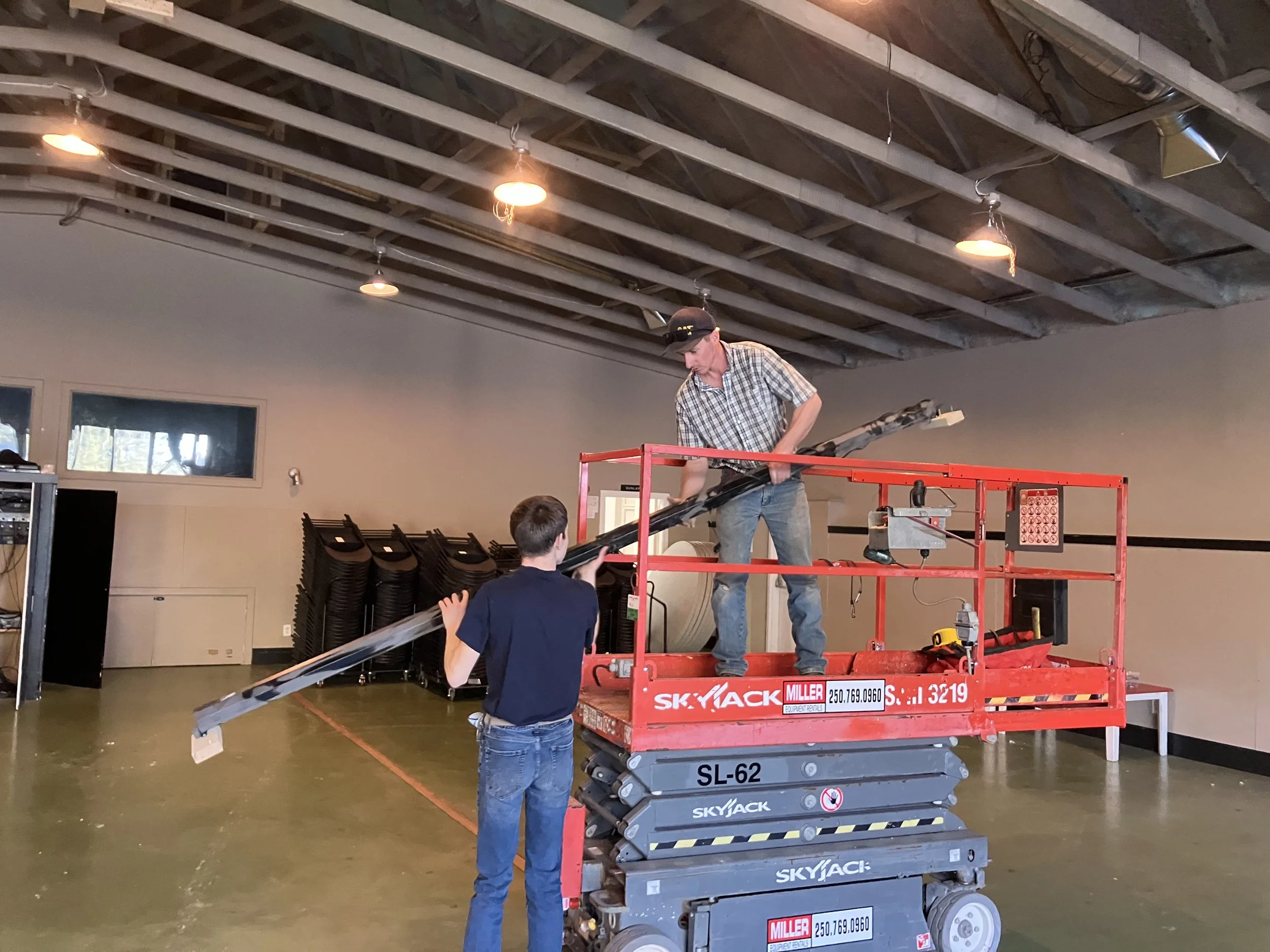
New Ceiling!
This past couple weeks, the auditorium has been undergoing a transformation. Kinda fitting as it was at one time butterfly world right? :)
The new ceiling has been going in with the help of many hands from our men’s group, to church leadership as well as the capable tradesmen that have contracted the work. All the pieces are coming together from sound absorbing tiles to new led lighting & fans - it’s a sight to behold! Check out the pics of the process so far, BUT you’ll have to come Sunday to see the finished product (no spoiler pics). :)
May God fill this space and would our gatherings here glorify Him! 🙏
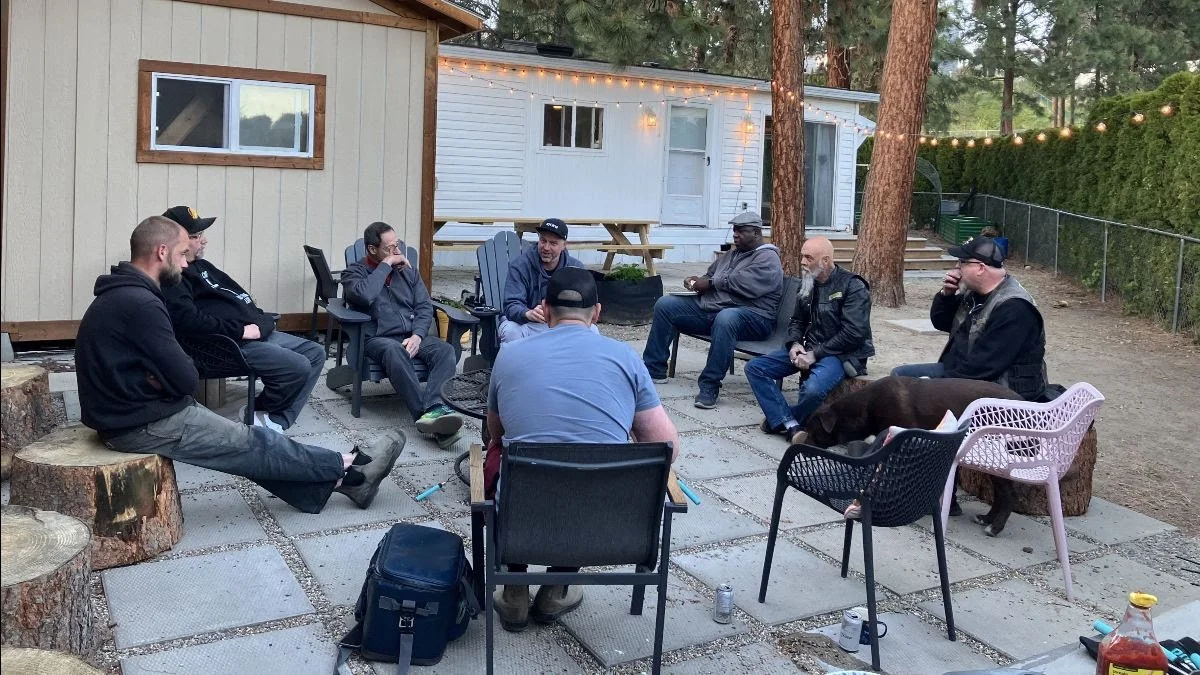
Men’s Campfire
Last Saturday evening a bunch of us men gathered at Adam's place to swap stories, encourage one another and of course - cook meat over an open fire! Can you say bacon wrapped smokey? They were delicious! :)
It was a great time of just chillaxing and getting to know one another on a deeper level. Lots of laughs, casual conversations and insightful discussions. If you missed it, bummer, ...next time! Cory was great at helping us to dig in, asking some great questions to get to know each of us better. One insight - We went around the fire and found out that there was over 75 years of SRCC attendance represented there around that fire!
Thanks Adam for hosting a great event and I'm already looking forward to the next one! :)
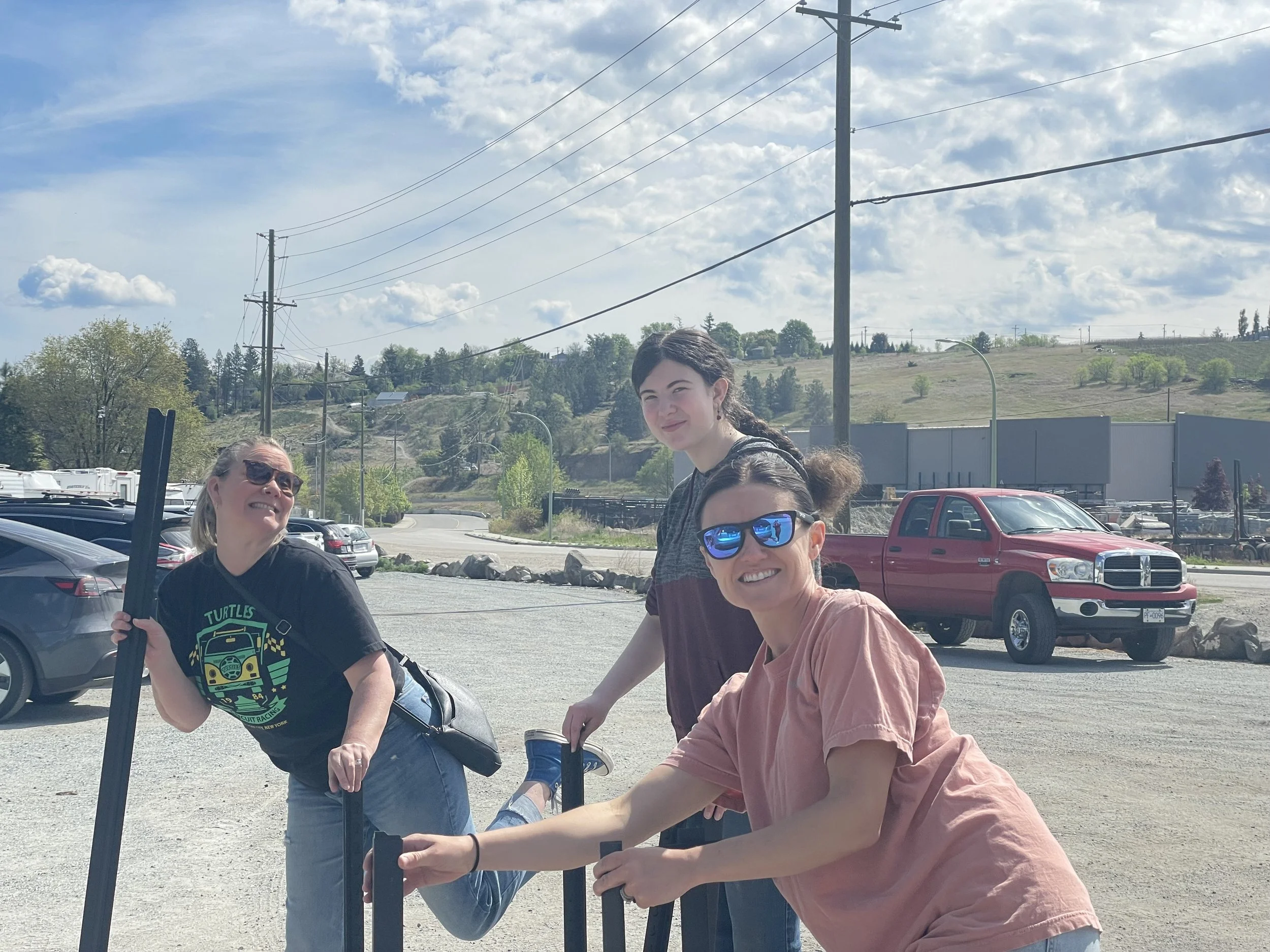
Facility Work Day!
This past Saturday, our campus was a buzz of activity with many many of you showing up to lend a hand with our spring cleaning. Many hands make light work right? And fun too! From raking leaves, to picking weeds, to sweeping gravel, to organizing the seacan, it was an all generation effort. Thank you to all who came out, the place looks amazing!
Then, as with all things Sunridge, there was food! Thank you to all those who helped out with prepping, cooking, serving and then cleaning up an amazing bbq!
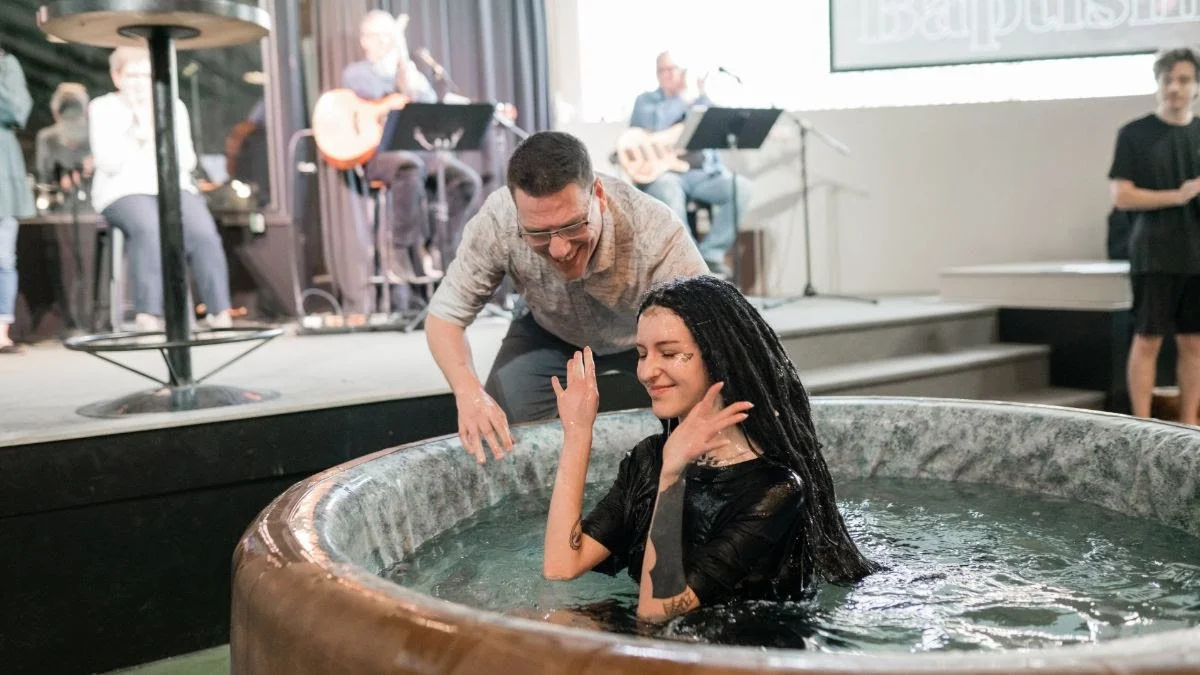
Easter Baptisms! A Sweet Celebration.
What an awesome Easter Sunday we had this past Sunday! Definitely one for the memory books. :)
As we gathered to celebrate Jesus' resurrection from the dead and the breaking of our chains of death, it was fitting that we poured out our hearts in worship through song, teaching, testimonies and the act of baptism. Congrats Nicky, Remmi, Rowan and Teddy on your commitment to follow Christ and thank you for letting us share in your act of obedience!
Go therefore and make disciples of all nations, baptizing them in the name of the Father and of the Son and of the Holy Spirit and teaching them to obey everything that I have commanded you. And remember, I am with you always, to the end of the age. ~ Mt 28:19-20
It was such a nice day and nobody wanted to leave after service, the sense of community was palpable. So it was a good thing we had snacks and something for the kids! :) Thanks Sunland for hosting the egg hunt, the kids seemed to have a ton of fun and thanks to all who brought the delicious eats! A sweet day for a sweet Saviour.
Little Rays of Sunshine! (Home-Learning Group)
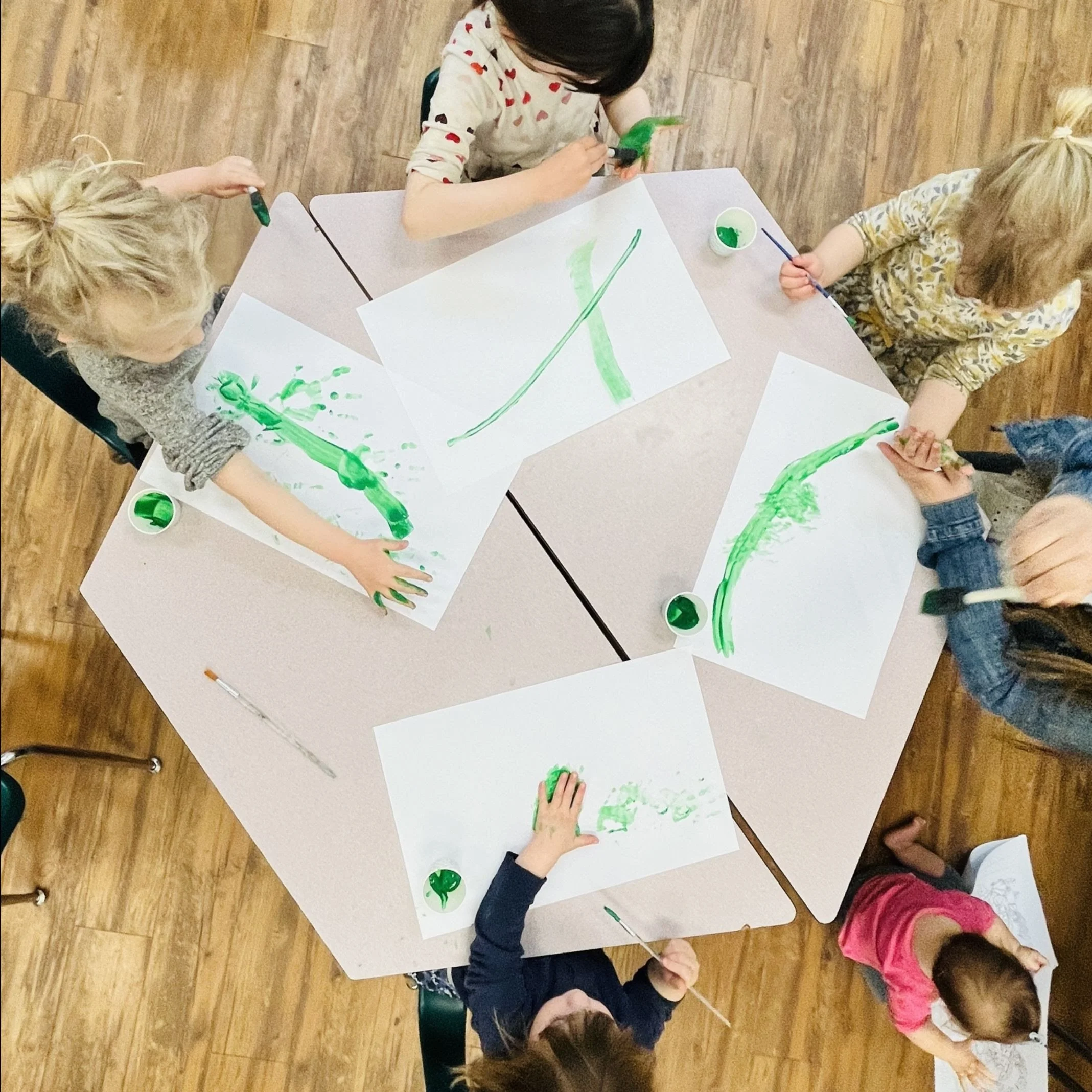
SunRays Home-Learning Group is a crew of kids and parents from SunRidge who meet every Tuesday to do homeschooling activities together! It's been so good to figure out home-learning together and bring Jesus right into the centre of it.
A couple weeks ago, after walking through the story of Palm Sunday, we painted palm leaves with our hands! And impressively, there was a very reasonable amount of paint on tables, chairs, and clothes after. :)
For more info or to connect with the group, click Here!
OOSC Camp Week 2
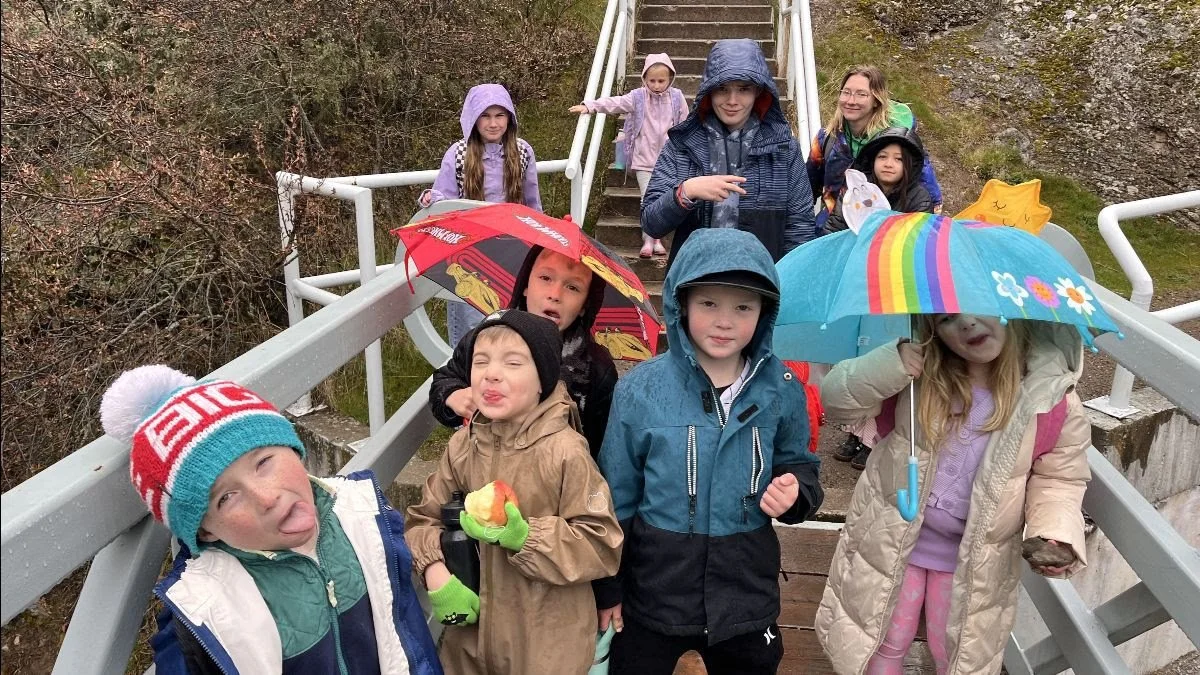
They're back at'r this week! You know what they say... let them shenan once and they'll shenan-again! :)
This week the kids are exploring the "Social & Creative Frontier" with visits to the museum, a number of parks, the art gallery and of course...the pool. The week closes off with a giant escape room at the church - sounds like fun right? :)
As another season of OOSC Spring Break Camps comes to a close today, you can bet that lives have been impacted and great memories have been made! Thanks again OOSC staff for making a difference and thank you Sunridge for your heart for this important ministry into our community.
OOSC Camp: Minions on the Move
It's that time of year again - Spring Break! And what does that mean? OOSC Spring Break Camps! :)
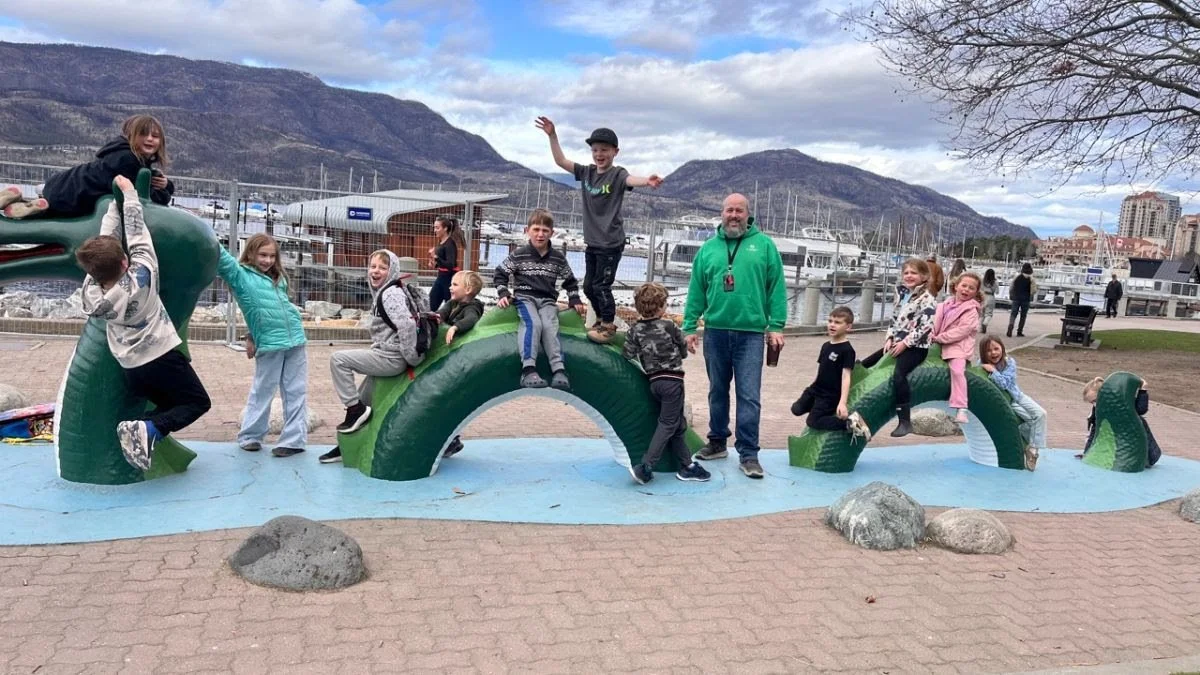
It's been a busy time for the little minions as they've been exploring God's creation inside and out. They've explored the Greenway, they've hiked Knox, they've built survival shelters in the audi. They've build fires in Rose Valley, enjoyed smores and they've tasted some weird fruits blindfolded in an attempt to expand their palettes! :)
There has not been a dull moment (or quiet one I suspect) this week. It's been filled with adventure. Today, the final day of Week 1, they get to reach into a box of "guts" (spaghetti) and search for keys. What will they unlock? Guess you'll have to ask one of them on Sunday! :)
As always, the OOSC staff have outdone themselves and there is still another week to come! Much appreciated guys how you come alongside these kids and make a difference in their lives. Well done!
See you Sunday Sunridge!
Men On The Move
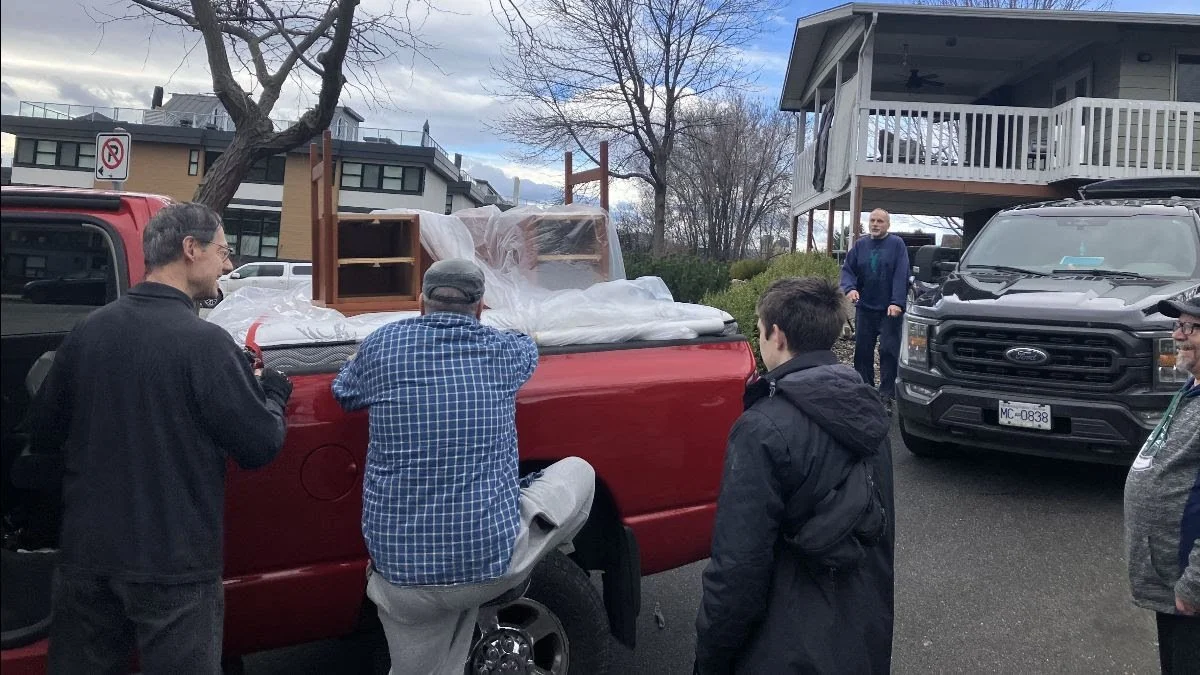
This past Saturday, the Men's group gathered for a community service day and ended up helping Hans and Marion prepare for their move. Trucks and a half dozen guys tackling dump runs, donation runs and a bit of carpentry work made it a fun and productive day. While they didn't make it to Timmies to wrap up as planned, Marion's homemade baked goods more than made up for it! :)
Thanks Adam for the pics, although other than Jon jumping into the truck in the first one, I see a bunch of standing around! :) Just joking, Hans & Marion expressed how much the help was appreciated. :)
Prayer Night #3
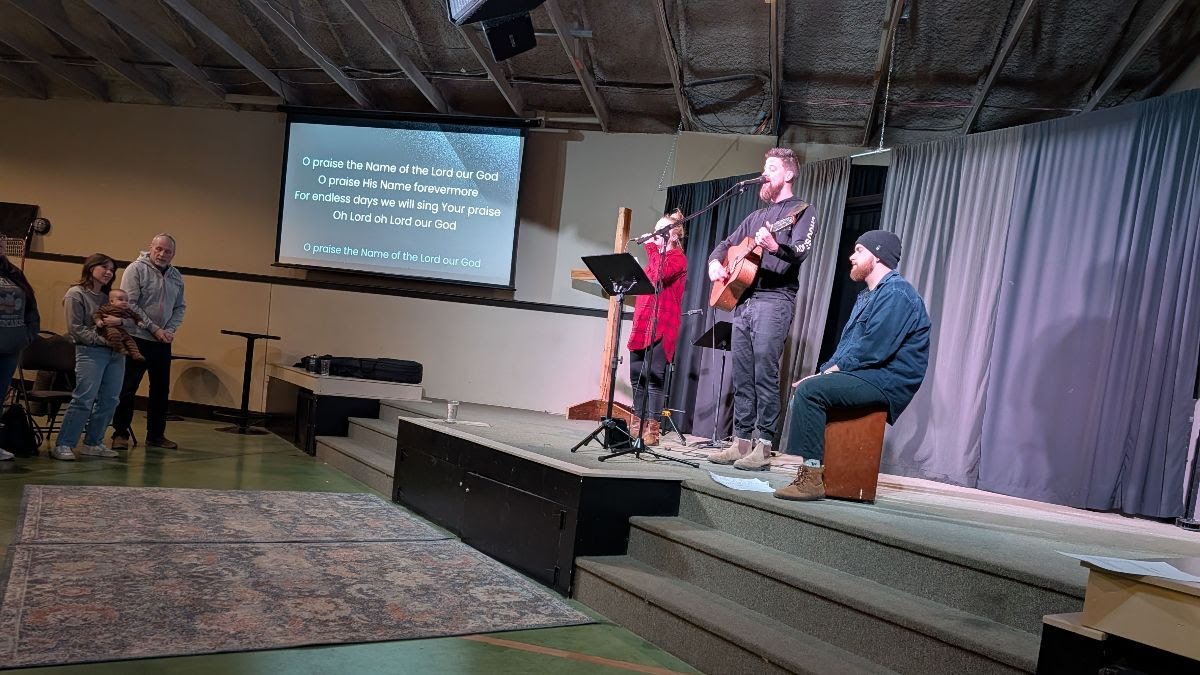
Feb 19 was the third and final of our Thursday Prayer Gatherings held over our 21 Days in Prayer.
Kyle and Alecia hosted and led us in worship this week and again, it was a great time of connecting with God and as a church. As our 21 Days of Prayer came to a close , they felt it was important for us to bathe our church facility and all the ministry that happens here in prayer. To that end, there were 8 stations with prayer prompts setup throughout the church that in small groups of 3-4 we circulated amongst, praying of each space. It is quite enlightening when you stop to identify each space, recognizing how God uses them and how we're called to partner with Him here.
While the 21 Days of Prayer has wrapped up, that doesn't mean we shouldn't continue. It has been a powerful kickstart to the year. It takes 21 days of consistent effort to start a new habit. So why not leave that alarm setup on your phone reminding you to continue this prayer journey? Or continue to make a point of including prayers for the church body/leadership/ministries/facility in your daily prayer? This journey is not meant to be walked alone, so continue this new habit of connecting with God and our church family!
See you Sunday Sunridge!
Prayer Night #1
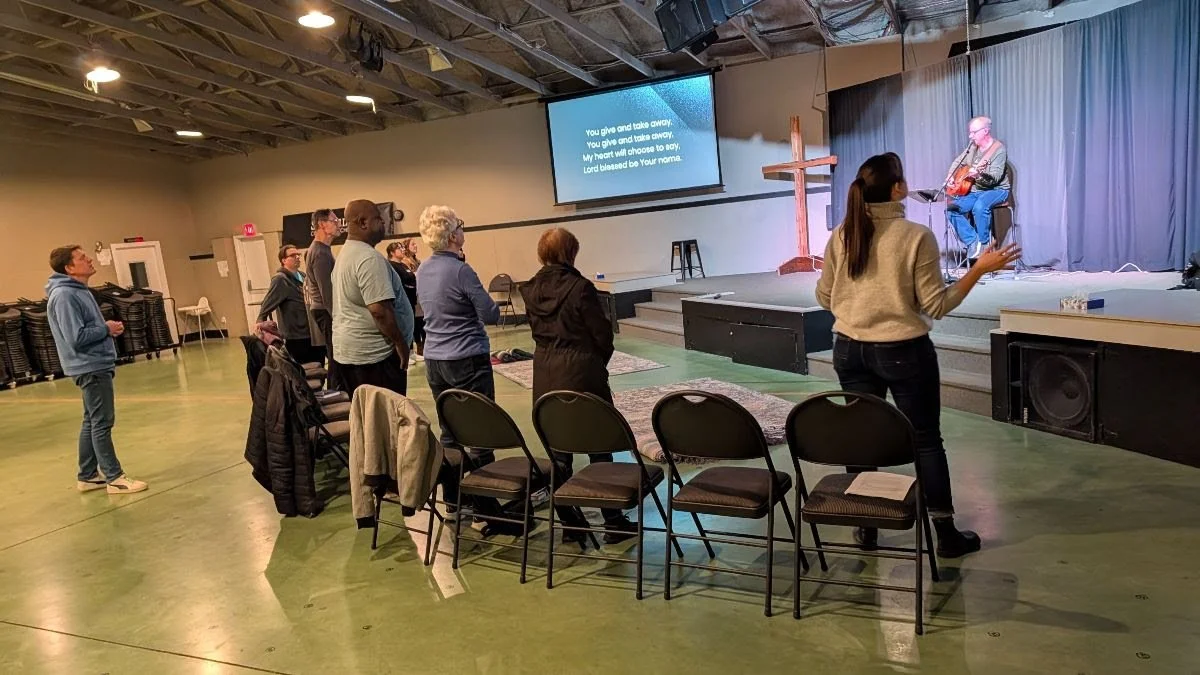
Last night was the first of our three Prayer Gatherings being held over the course of the 21 Days in Prayer and it was a great time. Unsure of how many would make it out, we needed to break out some more chairs as about 20 people joined in!
Hosted by Stephanie Retzer, we were led in some worship by Rob and then settled into a mix of corporate, individual and small group prayer times. We were surprised when 8 o'clock came around as the hour just flew by! Such a rich time of connecting with God and each other through our prayers for the church and our personal requests. You won't want to miss out on the next one!
Next Prayer Gathering: Thursday Feb 12 @ 7 pm
The Christmas Story!
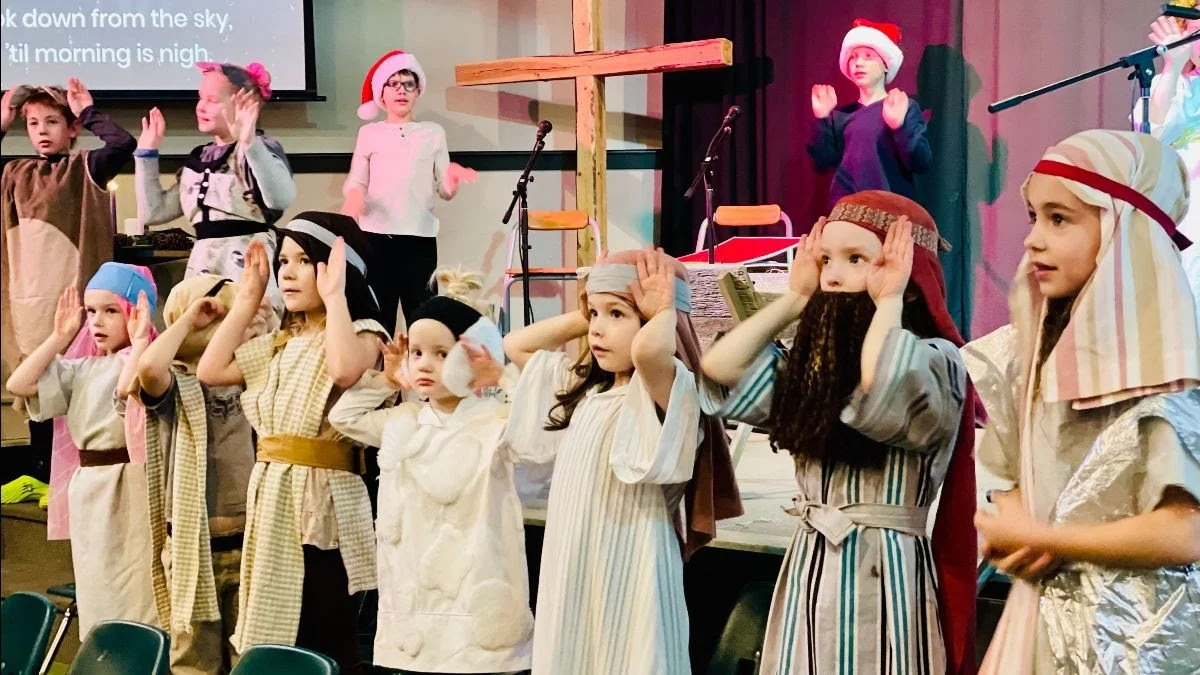
Dec 21, Sunridge was packed! Why? Because God is Good!
And, it was the kids chance to tell His story. :)
We were treated to a fun recounting of the story of Jesus' birth through the eyes of a mouse, along with great costumes and of course - singing! Thanks Sunland team, parents and Rob for helping it all come together and of course - Thank you kids for helping us remember the reason for the season!
Decorating For Christmas!
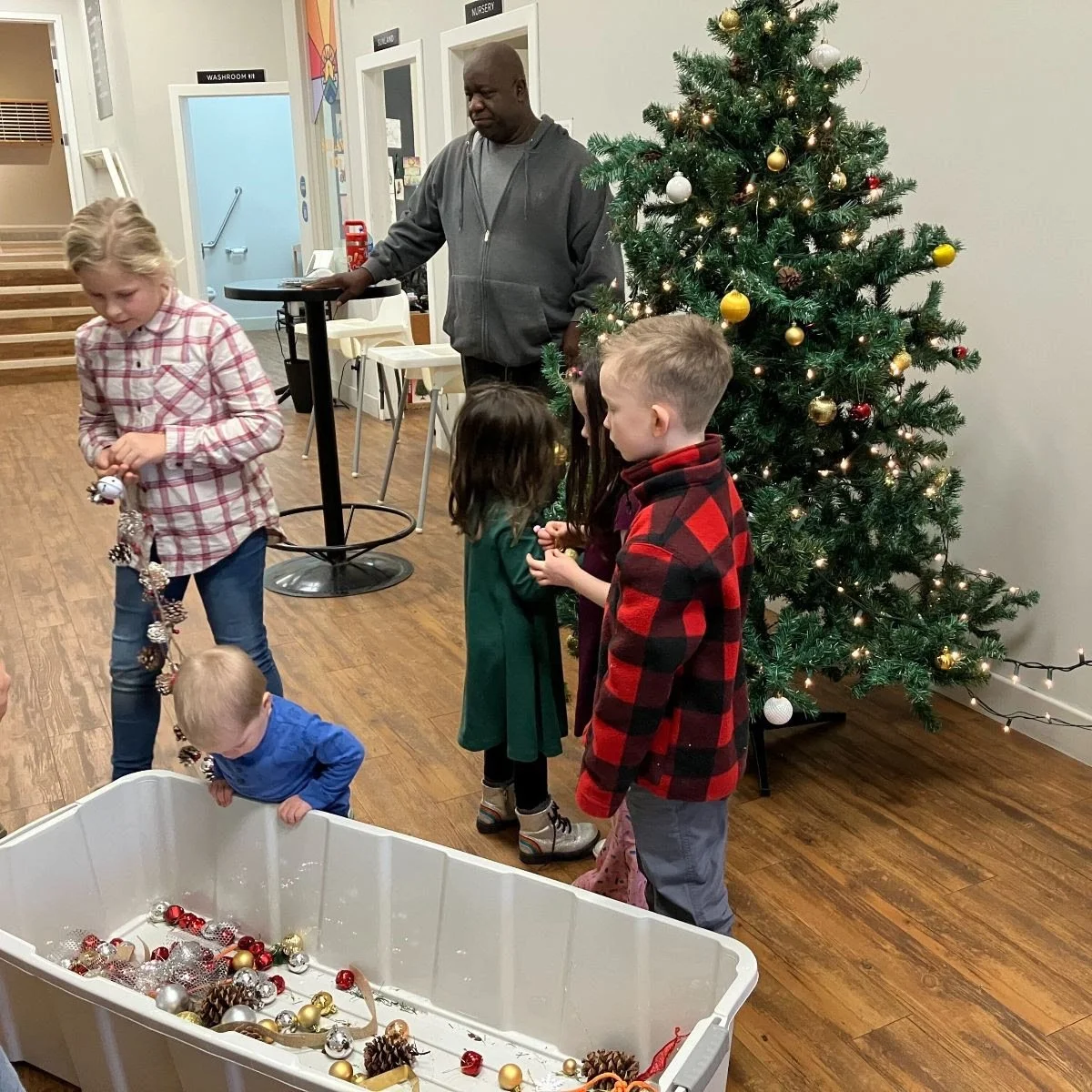
Last Saturday afternoon the church was the place to be as young and old alike came together to dress things up with some Christmas spirit! Thank you everyone who came out to help put up the decorations. By all accounts it was a fun time and many hands made light work! Thank you Linnea and Judy for heading up the charge. :) The place looks great!
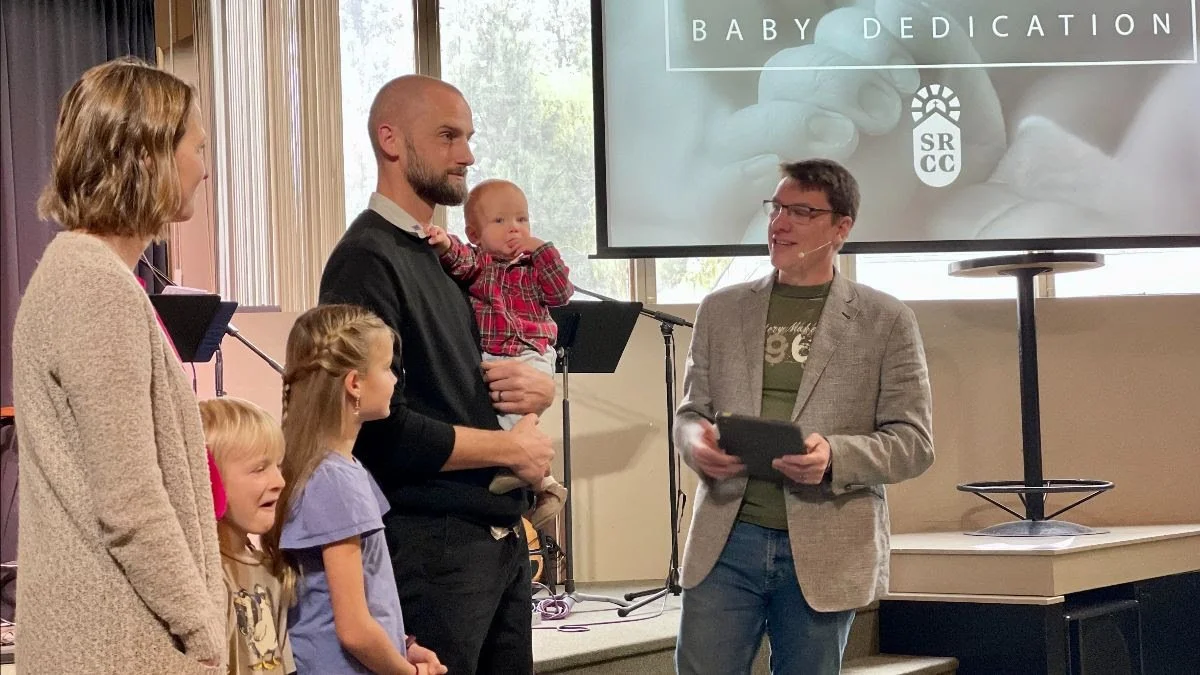
Baby Dedication!
Last Sunday was an even more special day of the week than it usually is as we celebrated the dedication of baby Lewis Preston. Being their third child, the Preston's are certainly doing their part to grow the Kingdom! :) Seriously, they are loved members of our family that you'll always find helping out and serving around the church in any number of ways.
It was great to not only witness their commitment to bring their children up knowing Christ, but for the whole church to also respond to Conrad's charge for the important role we have to play as well. Well done Sunridge!
See ya Sunday!
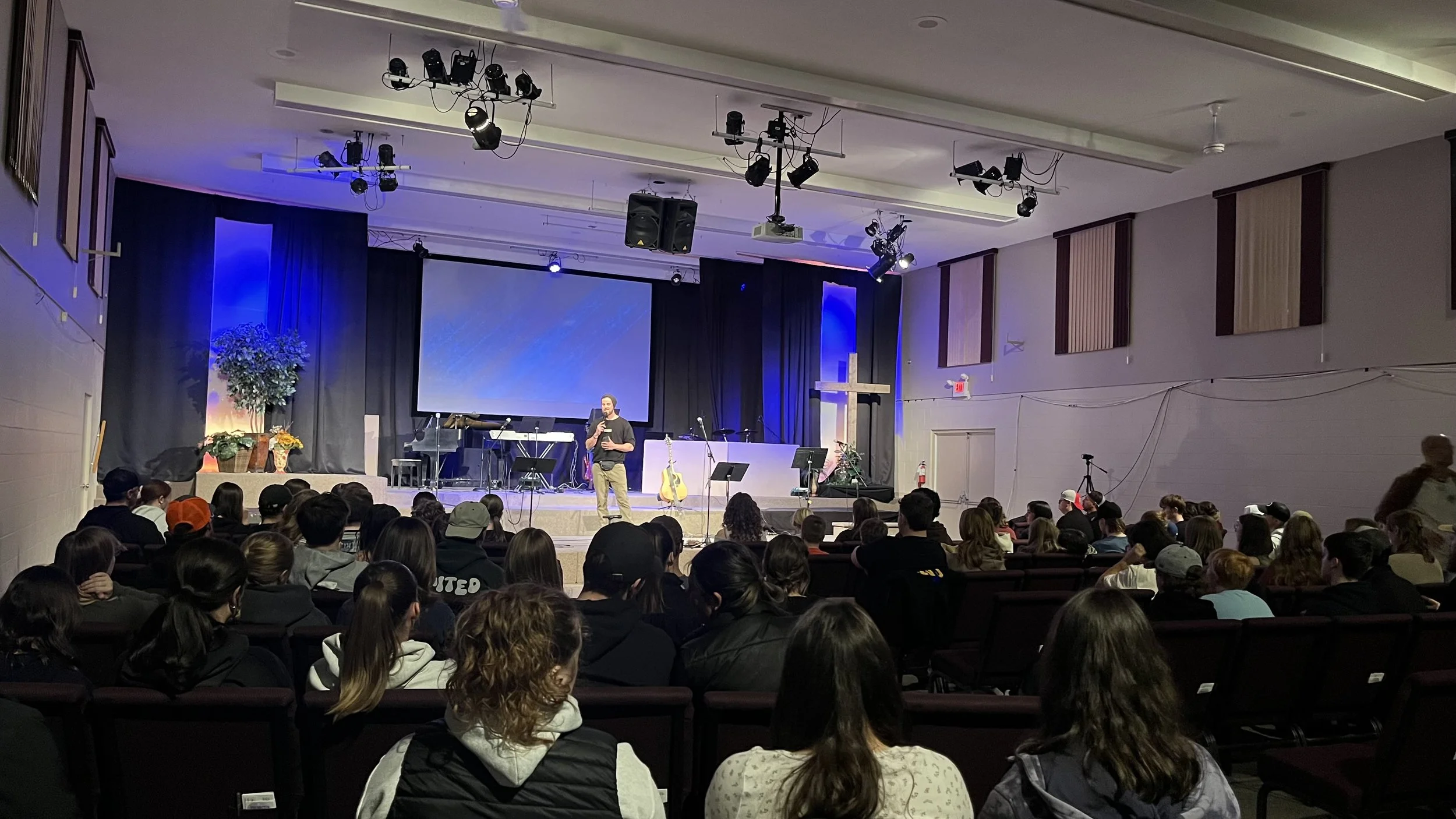
City-Wide Youth Night!!
Every couple months youth groups across West Kelowna meet for one big, city-wide event. This past Tuesday Chris and Lakeview Heights Baptist Church hosted, Caleb and the Emmanuel crew led worship, Kyle spoke the message, and Aldrich from Potters House led a game! These are awesome nights, not only for the great hangout, but for the reminder that we are all one big church family trying to follow Jesus together! A huge thanks to the youth groups and their leaders who worked hard to make this event happen!
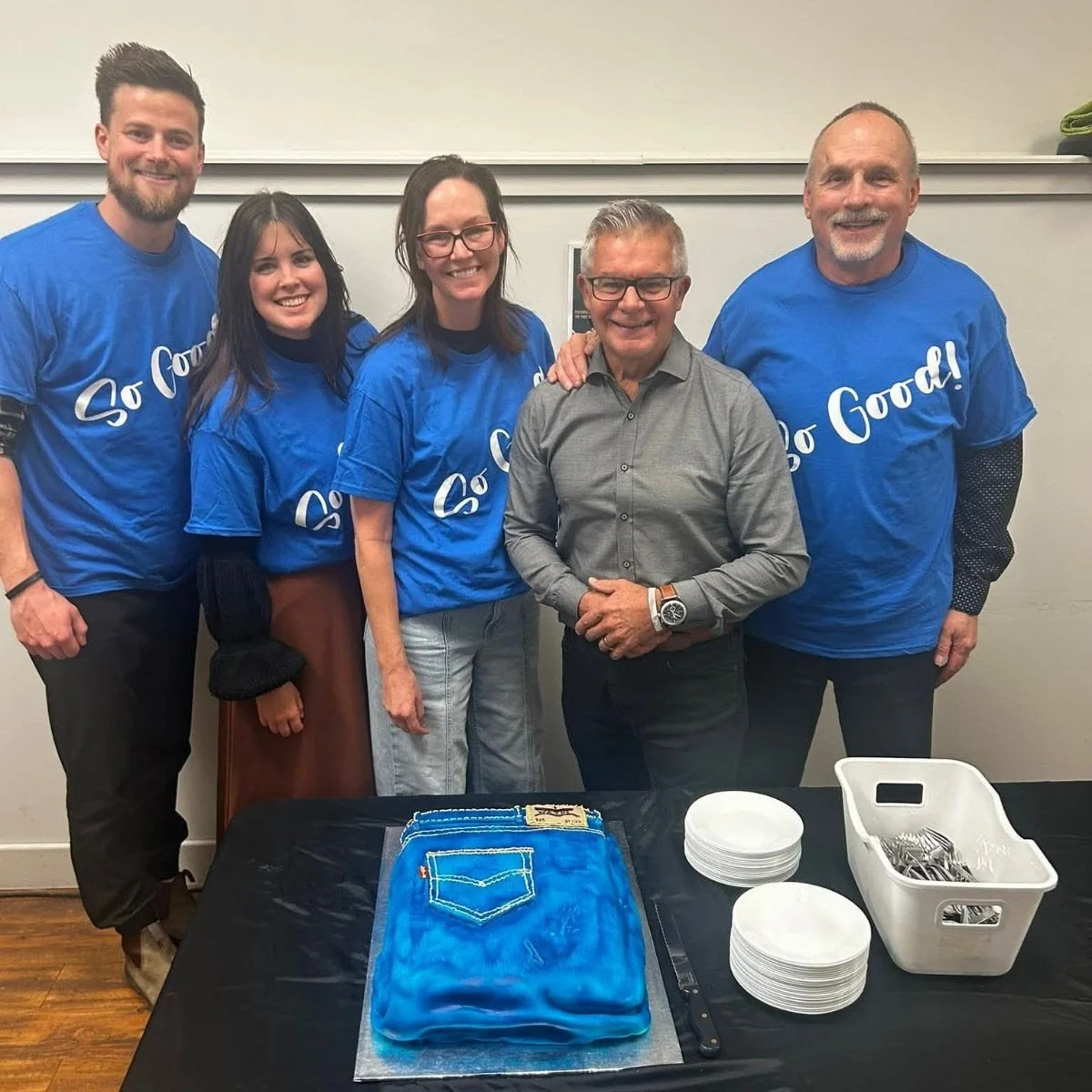
Thank You Wayne!
Oct 26 during Soup Sunday, we took time to honour and thank Pastor Wayne Alguire for answering the call and shepherding us through this transition phase. There were laughs, tears and a great sense of God's faithfulness as we looked back over the past 18 months. Founding Pastor Mike joined and shared his appreciation for Wayne as well as a word for the future.
With tongue in cheek, the LT presented Wayne with a gift and a blue jeans cake and it was So Good! :)
God is on the move Sunridge, see ya Sunday!
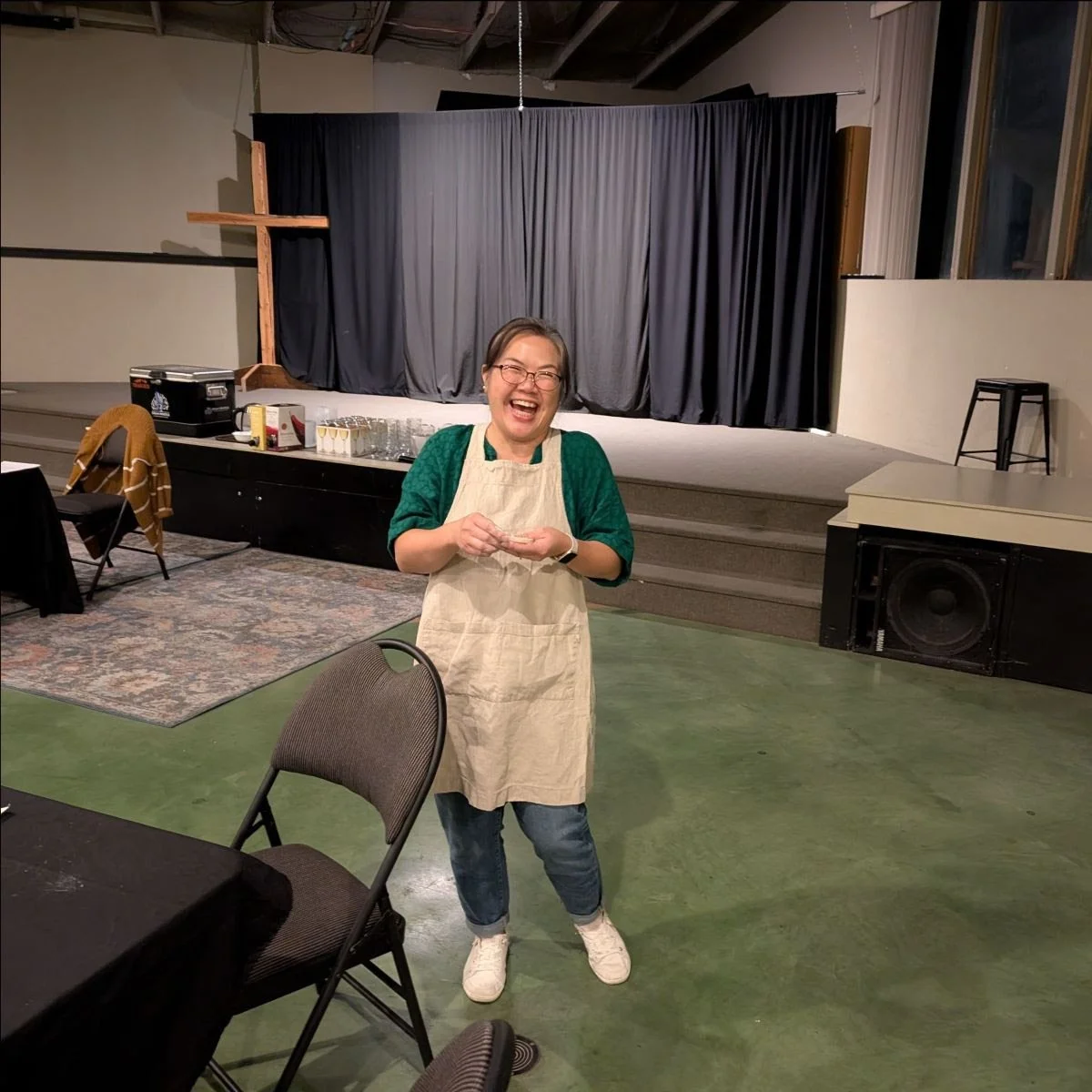
Dumplings are a hit!!
Oct 20 evening Sunridge was buzzing with activity - look at that parking lot! It was dumpling night. Thank you Mei Ransom for putting on the cooking workshop, teaching others how to make scrumptious dumplings. Judging by the attendance, the laughter and the fact that none were left to take home - it was a hit!
Looking forward to the next one!
Personal note: A few of us guys hung out roasting smokies at the fire pit, looking forward to taking some dumplings home. A very sad night when we heard they were gone! :( Thanks Mei for saving me one! :)
See ya Sunday Sunridge!
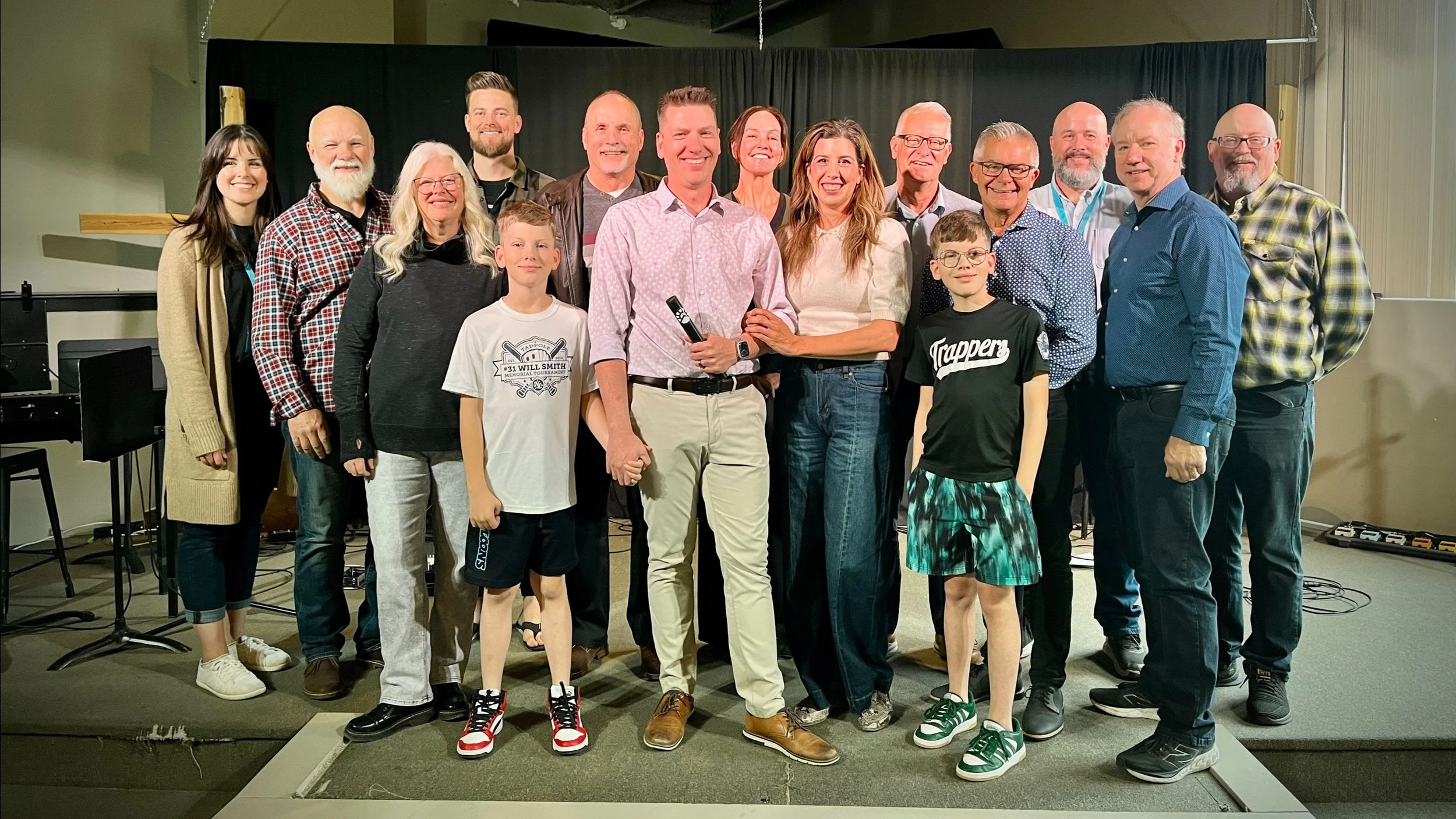
The Next Baton Pass
This past Sunday we were thrilled to welcome and commission Conrad & family as our new lead pastor. Yay!!!
It's been a journey Sunridge - but one that God has had under control from day one! It started oh so many years ago with Mike and family responding to the call, then passing the baton to Wayne and now Conrad has it to continue running the race. May you run it well Conrad, leading us to bless West Kelowna!
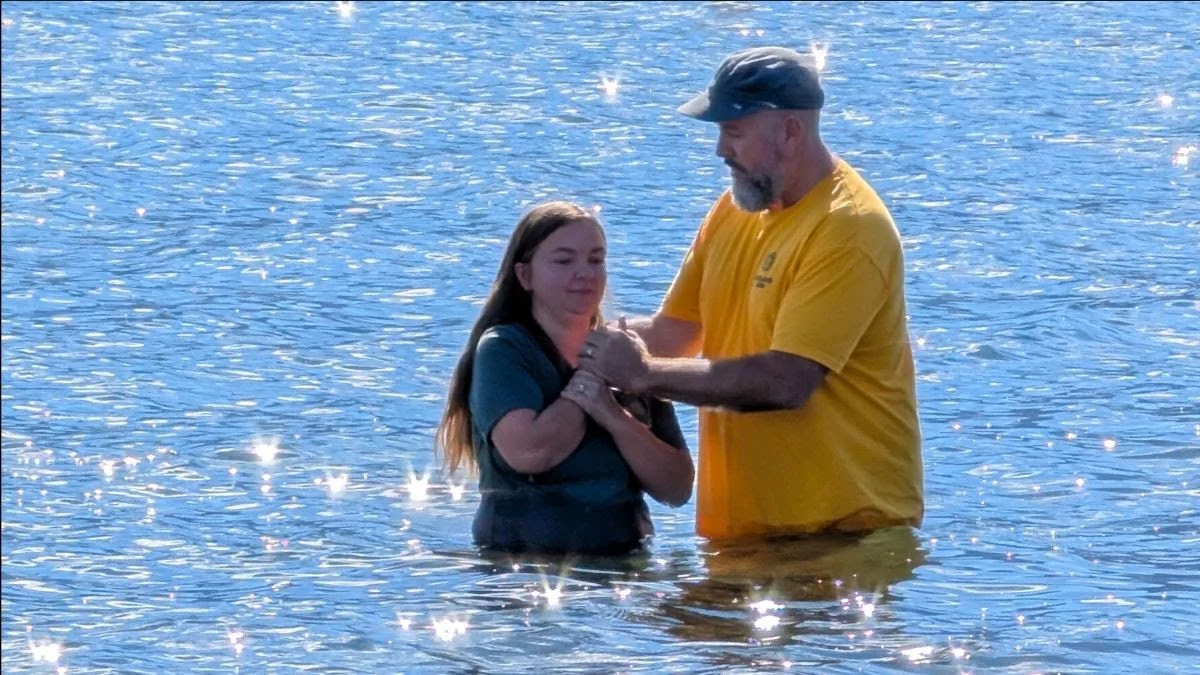
Reigan’s Baptism
This past Sunday we were blessed to witness another baptism down at Pritchard Beach! Congrats on taking this step of obedience Reigan and may you know Him ever closer as you walk out your faith journey.
Interested in baptism? The water's getting cooler, sooner may be better! :)
Click Here to explore baptism.
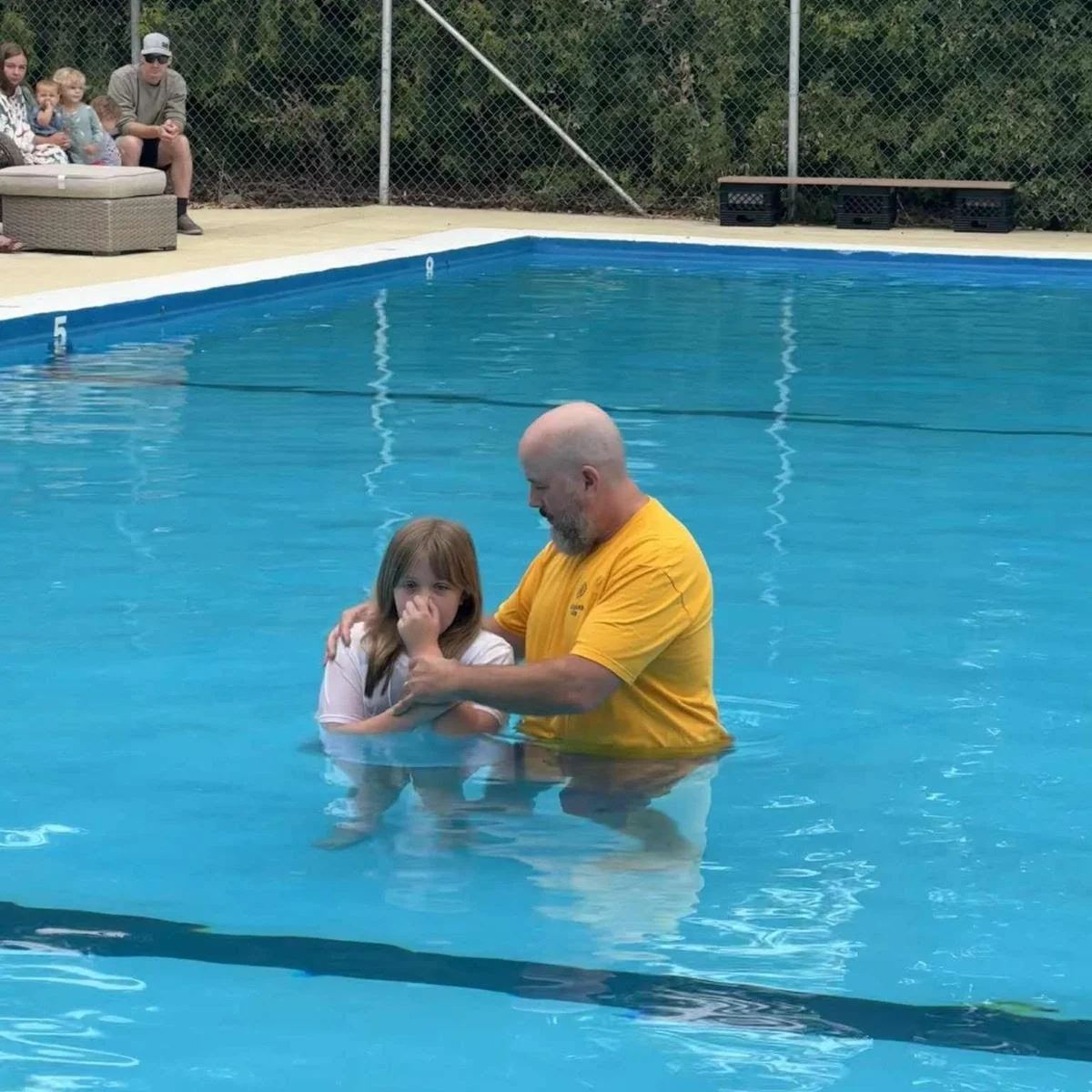
Claire’s Baptism & Fall Launch!!
We kicked off another season Sept 14 with a Family Day at Morning Star Bible Camp. It was a great morning hearing the Word from Jon, celebrating Claire's baptism and then hanging out for a bbq and games. And of course - we had ice cream! :)
What a great way to kickoff another year and an exciting one it's gonna be as we begin a new chapter here at Sunridge!
See ya Sunday Sunridge!
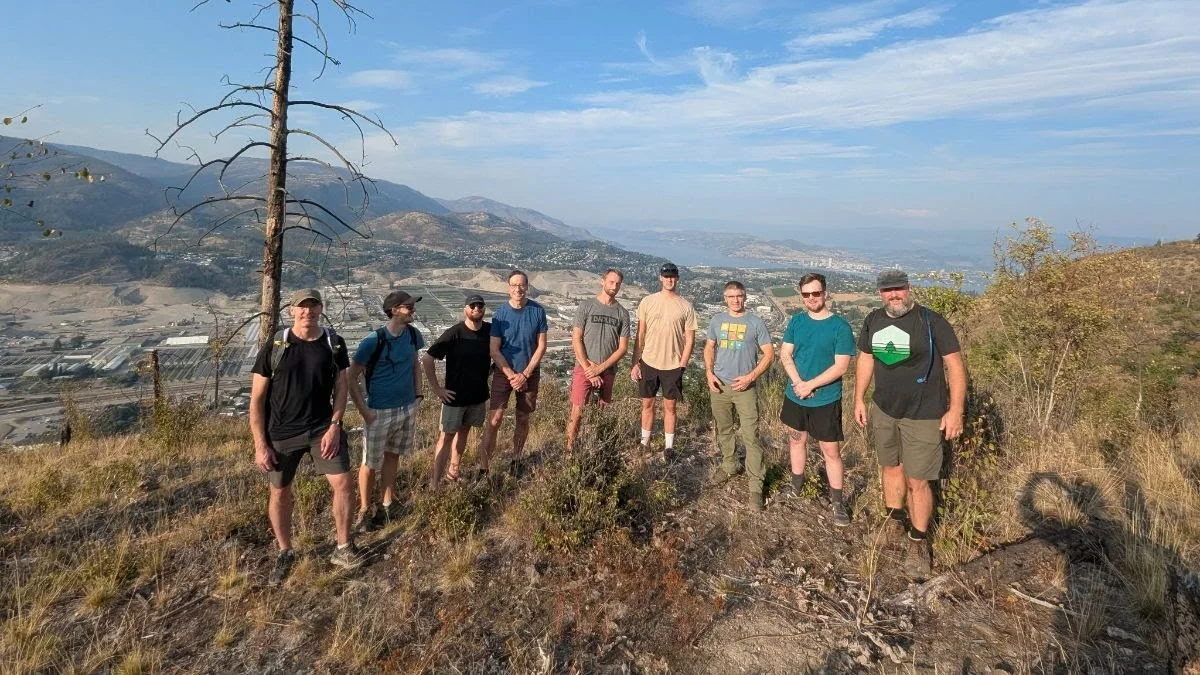
Men’s Group Kick-Off!
Sept 14 the Men’s Group kicked off the season with a hike and then gathered around a fire. That sounds like manly stuff doesn’t it? :) Don’t know if they caught anything on the hike to roast - you’ll have to ask them. :)
By all accounts it was a great time and with lots out enjoying both things. Guys, if you’re interested in plugging in, connect with Adam or head to our group sign-up page!
“So then, let us pursue what makes for peace and for building up one another.“ Romans 14:19